
Wearable technology has become increasingly popular in recent years, revolutionizing the way we interact with and monitor our daily lives. From smartwatches to fitness trackers, these devices have integrated seamlessly into our routines, providing us with valuable insights and convenience. In this article, we will explore the latest trends in wearable technology that are shaping the industry and influencing the future of personal tech.
The Rise of Health and Fitness Wearables
One of the most significant trends in wearable technology is the focus on health and fitness tracking. With the increasing emphasis on living a healthy lifestyle, wearable devices that monitor heart rate, sleep patterns, steps taken, and calories burned have become essential tools for many individuals. These wearables not only provide real-time data but also offer insights into overall well-being, empowering users to make informed decisions about their health.
In addition to traditional fitness trackers, there has been a rise in smart clothing and accessories that integrate biometric sensors to monitor vital signs and performance metrics. These innovative wearables are designed to enhance athletic performance, prevent injuries, and optimize training routines. The integration of advanced sensors and data analytics has paved the way for personalized fitness experiences that cater to individual needs and goals.
Fashion Meets Functionality
Another trend in wearable technology is the fusion of fashion and functionality. As consumer demand for stylish wearables continues to grow, tech companies are focusing on designing devices that are not only technologically advanced but also aesthetically pleasing. From customizable watch faces to interchangeable bands, users now have the option to personalize their wearables to suit their style preferences.
Moreover, collaborations between tech companies and fashion brands have resulted in the creation of designer wearables that seamlessly blend high-end fashion with cutting-edge technology. These partnerships have expanded the market for wearables beyond tech enthusiasts, appealing to fashion-conscious individuals who seek both functionality and style in their devices.
The Evolution of Smartwatches
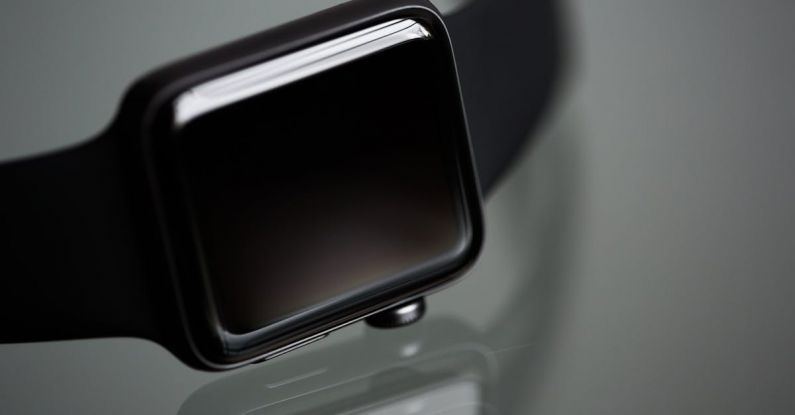
Smartwatches have evolved significantly in recent years, incorporating advanced features that go beyond basic timekeeping. From built-in GPS and LTE connectivity to contactless payments and voice assistants, modern smartwatches offer a wide range of capabilities that rival smartphones. The integration of health monitoring sensors, such as ECG and blood oxygen saturation, has transformed smartwatches into comprehensive health companions that provide users with valuable insights into their well-being.
Furthermore, the development of app ecosystems for smartwatches has expanded their utility, allowing users to access a wide range of applications directly from their wrists. Whether it’s checking notifications, tracking workouts, or controlling smart home devices, smartwatches have become versatile tools that streamline daily tasks and enhance productivity.
Embracing Augmented Reality and Virtual Reality
Augmented reality (AR) and virtual reality (VR) technologies have made their way into the realm of wearables, opening up new possibilities for immersive experiences. AR glasses and smart helmets are being developed to overlay digital information onto the physical world, providing users with enhanced situational awareness and interactive content. On the other hand, VR headsets are being integrated into wearable devices to offer users immersive gaming, entertainment, and training experiences.
The integration of AR and VR into wearables has the potential to revolutionize various industries, from healthcare and education to gaming and retail. By merging digital content with the physical environment, these technologies create new opportunities for interactive storytelling, training simulations, and virtual collaboration. As AR and VR continue to evolve, we can expect to see more innovative wearables that leverage these technologies to enhance user experiences.
Innovations in Material Science and Sustainability
Advancements in material science have enabled the development of wearables that are not only lightweight and durable but also eco-friendly. Sustainable materials, such as recycled plastics, organic fibers, and biodegradable components, are being incorporated into wearable devices to reduce environmental impact and promote sustainability. Additionally, the use of energy-efficient technologies and recyclable packaging is becoming a standard practice among wearable manufacturers, reflecting a growing commitment to environmental responsibility.
Moreover, the integration of renewable energy sources, such as solar panels and kinetic harvesting systems, is being explored to power wearables without relying on traditional batteries. These innovations not only reduce the carbon footprint of wearables but also promote energy efficiency and long-term sustainability. As consumers become more conscious of their environmental impact, the demand for eco-friendly wearables is expected to rise, driving further advancements in sustainable technology.
Embracing the Future of Wearable Technology
As wearable technology continues to evolve, we can expect to see further advancements in health monitoring, fashion integration, smartwatch capabilities, AR/VR experiences, and sustainable practices. The convergence of these trends is shaping the future of wearables, offering users innovative solutions that enhance their daily lives and empower them to stay connected, informed, and healthy. By embracing the latest trends in wearable technology, we can look forward to a future where personal tech seamlessly integrates into every aspect of our lives, revolutionizing how we interact with the world around us.