
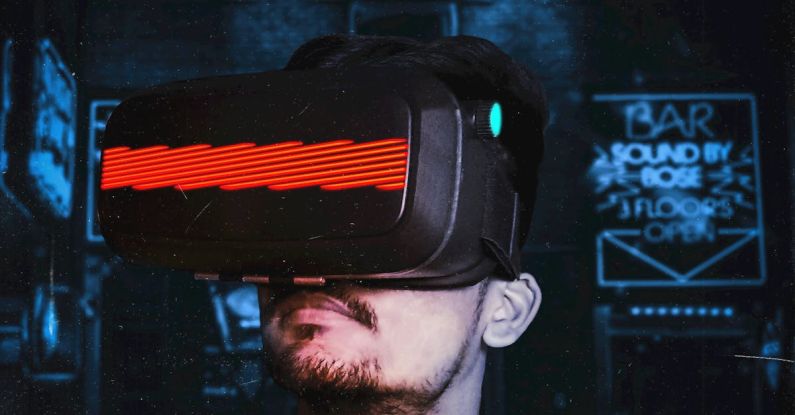
Augmented Reality (AR) continues to push the boundaries of technology, enhancing the way we interact with the world around us. From retail to gaming to healthcare, the applications of AR are vast and ever-evolving. In this article, we will delve into the latest innovations in augmented reality that are shaping the future of various industries.
### AR Smart Glasses
One of the most exciting developments in AR technology is the advancement of AR smart glasses. Companies like Google, Microsoft, and Magic Leap have been investing heavily in creating sleek and functional smart glasses that overlay digital information onto the real world. These glasses have the potential to revolutionize industries such as manufacturing, logistics, and healthcare by providing workers with hands-free access to vital information and instructions in real-time.
### AR in Retail
The retail industry is embracing AR technology to provide customers with immersive shopping experiences. AR-powered apps allow users to virtually try on clothing, accessories, and even makeup before making a purchase. This not only enhances the shopping experience but also reduces the rate of returns, as customers can make more informed decisions about their purchases. Companies like IKEA have also integrated AR into their apps, allowing customers to visualize how furniture will look in their homes before buying.
### AR in Education
Augmented Reality is transforming the way students learn by making educational content more interactive and engaging. AR apps and tools are being used to create virtual learning environments where students can explore complex concepts in a hands-on manner. For example, medical students can use AR to simulate surgeries, while history students can visit historical sites through AR-enhanced field trips. This technology is making learning more accessible and enjoyable for students of all ages.
### AR in Healthcare
In the healthcare industry, AR is being used to improve patient care and streamline medical procedures. Surgeons can now use AR to overlay vital information, such as patient vitals and MRI scans, directly onto the surgical field, allowing for more precise and efficient surgeries. AR is also being used for medical training, allowing students to practice procedures in a simulated environment before working with real patients. This technology has the potential to revolutionize healthcare by improving patient outcomes and reducing medical errors.
### Spatial Computing
Spatial computing is a cutting-edge technology that combines AR, VR, and AI to create immersive digital experiences in physical space. This technology allows users to interact with digital objects as if they were real, blurring the lines between the virtual and physical worlds. Spatial computing is being used in fields such as architecture, engineering, and design to create 3D models and prototypes that can be viewed and manipulated in real-time. This technology has the potential to revolutionize how we design and create objects in the physical world.
### The Future of AR
As technology continues to advance, the future of augmented reality looks promising. Innovations such as AR contact lenses, holographic displays, and brain-computer interfaces are on the horizon, promising to take AR to new heights. The integration of artificial intelligence and machine learning will also enhance the capabilities of AR technology, allowing for more personalized and immersive experiences.
In conclusion, augmented reality is reshaping the way we interact with the world around us, with innovations in various industries pushing the boundaries of what is possible. From AR smart glasses to spatial computing, the future of AR is bright and full of exciting possibilities. As technology continues to evolve, we can expect to see even more groundbreaking innovations that will continue to revolutionize the way we live, work, and play.